Nau mai ki Te Māra a Tāne - Welcome to Zealandia
Nau mai ki Te Māra a Tāne - Welcome to Zealandia
Just minutes from Wellington city, this fully-fenced sanctuary is home to many of Aotearoa New Zealand's rarest wildlife, including birds, reptiles, fish and insects thriving in a regenerating forest.
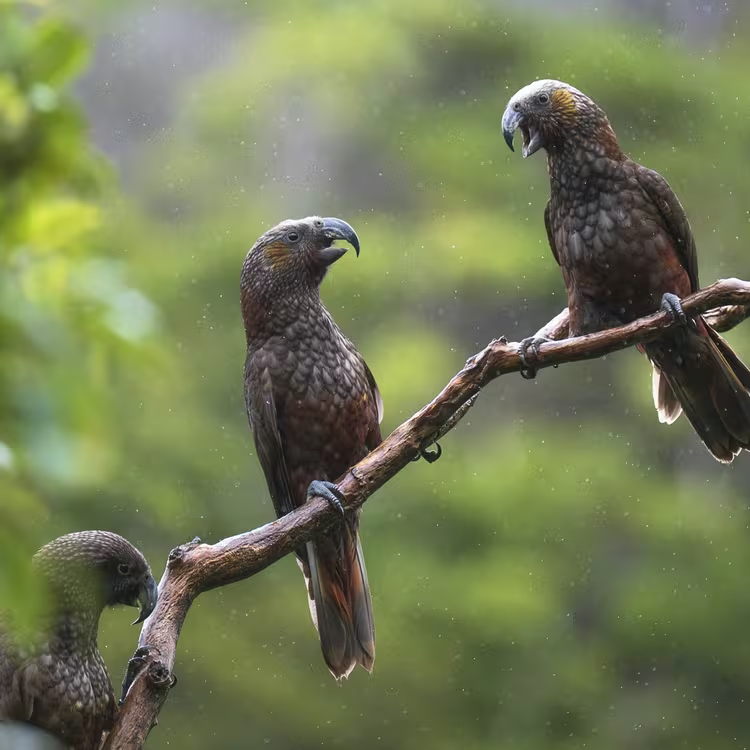
Kākā at Zealandia Te Māra a Tāne. Photo by Emir de Souza.
Whakatōmene i Te Māra a Tāne - Explore Zealandia
Opening hours
Open every day except Christmas day
Sanctuary: 9:00am–5:00pm
Last entry: 4:00pm
Café open: 9:00am–4:00pm
Kitchen closes: 2:00pm
Book general admission or join a guided tour
Download our map and check track updates to plan your route
Stay up to date with track conditions before you visit
Free shuttle, parking, and transport options
Access info for visitors of all abilities
See events, activities, and seasonal highlights
Eat, relax, or host your next event in a unique setting
Become a member
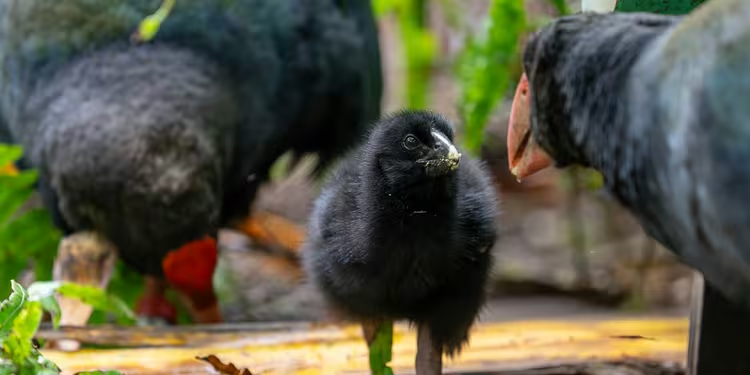
Takahē chick (Hiwa-i-te-Rangi). Photo by Linton Miller.
Meet the locals
Zealandia Te Māra a Tāne is about the most biodiversity-rich square mile of mainland New Zealand in terms of the species living wild here. More than 40 different species of native birds have been recorded in our sanctuary valley, 24 of them endemic (found in no other country).
Manu - Birds
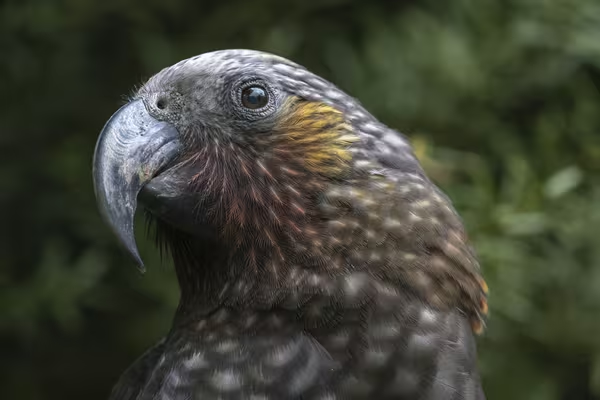
Wellington is one of the few cities in the world where native bird populations are increasing. The dawn and dusk choruses at Zealandia are very loud and diverse!
Reptiles - Reptiles
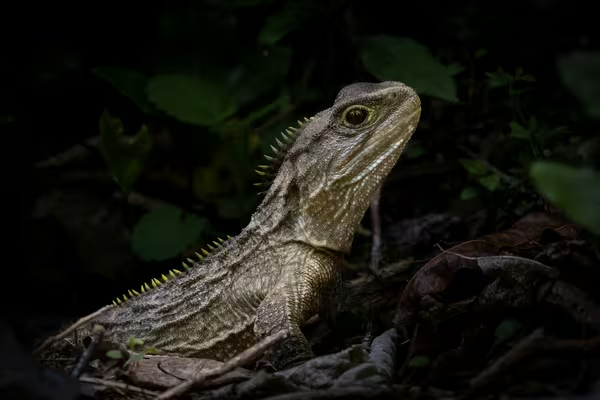
Zealandia Te Māra a Tāne is home to some of our country's unique and ancient reptiles and frogs. Two such residents are the famous ‘living fossil’ the tuatara and the rare Hamilton's Frog.
Ngāi tipu - Plants
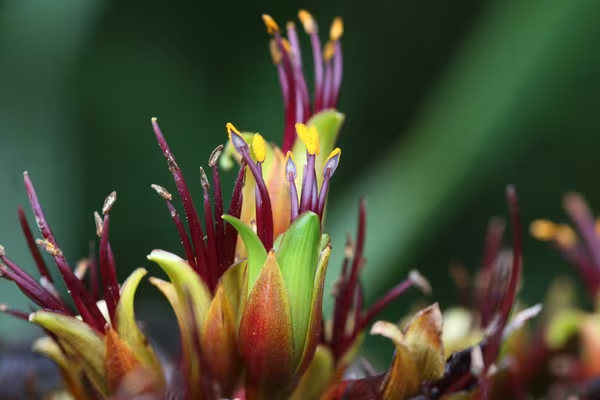
Around 80% of New Zealand’s native plants and trees are found nowhere else in the world! Very few native trees drop their leaves in autumn so our forest is always green and lush.
Kōpurawhetū - Fungi
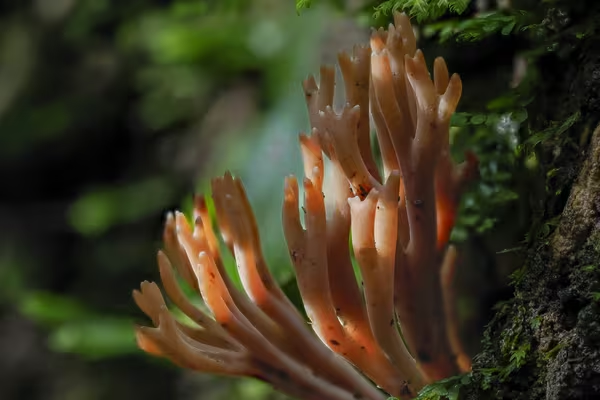
Often overlooked, fungi are an integral part of the forest ecosystem at Zealandia Te Māra a Tāne. There are hundreds of species in an astonishing range of size, colours and types.
Te aitanga a pepeke - Invertebrates
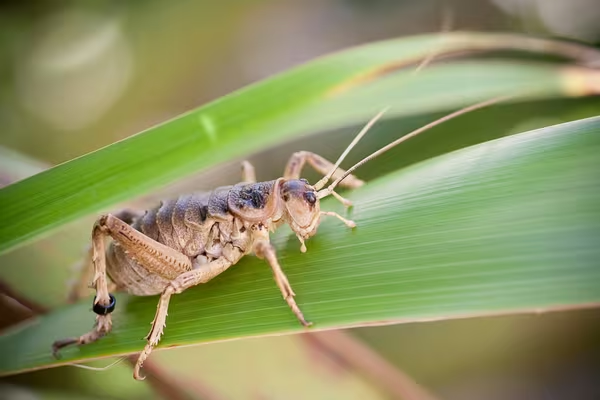
From giant wētā to butterflies, invertebrates thrive at Zealandia Te Māra a Tāne. Discover these vital creatures and their role in keeping the sanctuary’s ecosystem in balance.
Wai Māori - Freshwater
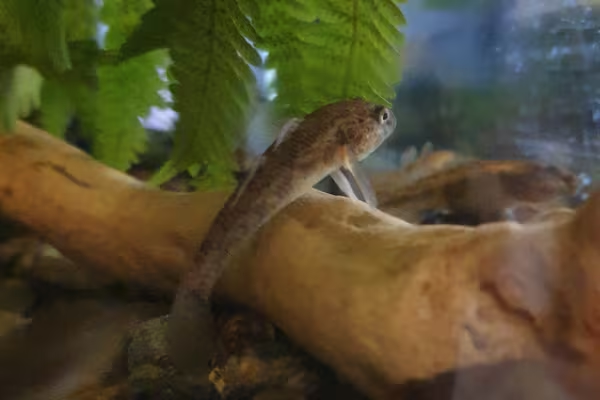
Zealandia has created a wetland area in the valley and improved the water quality of its waterways to ensure a healthy environment for freshwater species, from fish through to insects and plants.
Pitopito kōrero - News & stories
Updated 24 August - Information on H5 bird flu
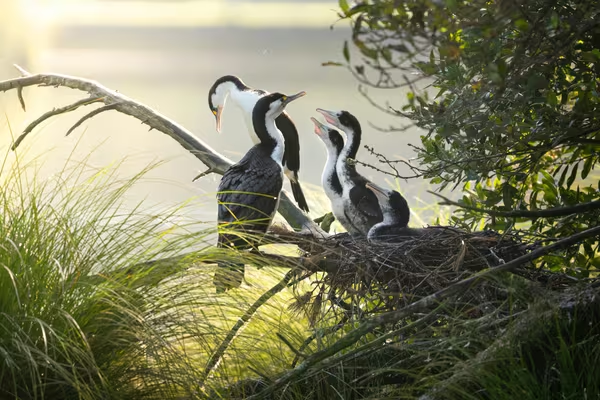
H5 bird flu (HPAI H5N1) has been detected in Te Whanganui-a-Tara Wellington, with the virus detected in three birds. Here's what you need to know.
A place to nest
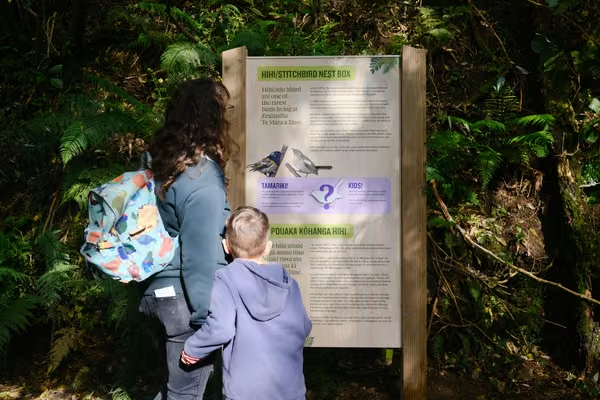
The new nestbox trail is being rolled out along Lake Road, offering a rare glimpse inside the nests and nestboxes of some of the native manu that breed in the valley.
Zealandia Te Māra a Tāne offers Hawai‘i a roadmap for species recovery
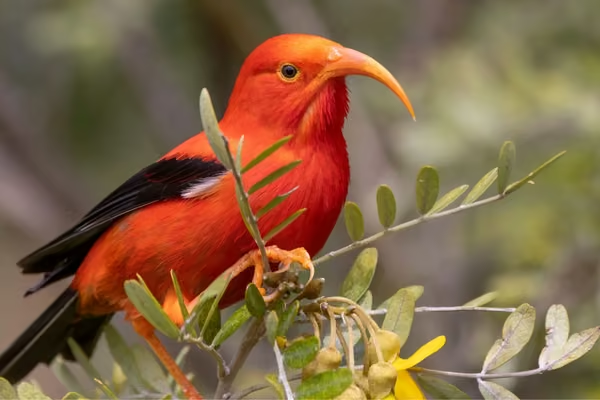
Hawai’i has been designated the Extinction Capital of the World. Inspired by Zealandia, a new Conservation Sanctuary has been enshrined in legislation, establishing three eco-sanctuaries in Hawai'i.