Te aitanga a pepeke - Invertebrates
From giant wētā to butterflies, invertebrates thrive at Zealandia Te Māra a Tāne. Discover these vital creatures and their role in keeping the sanctuary’s ecosystem in balance.
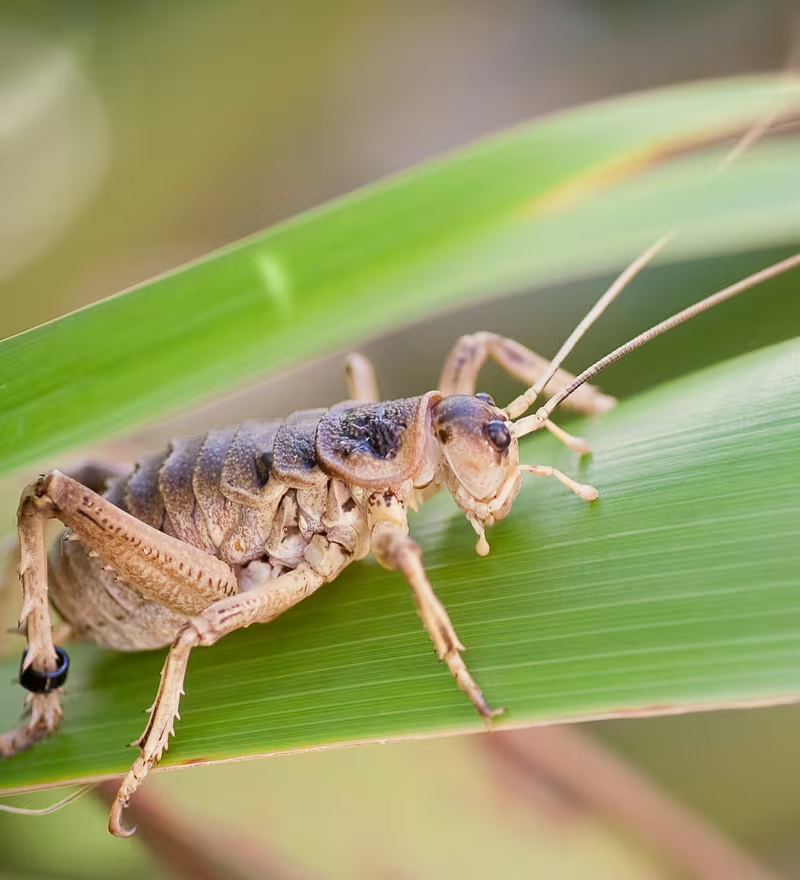
Wētāpunga; the size of a mouse but not at all scary. Photo by Brendon Doran.
We don’t (and can't) know every species living here in the wild in the valley given many are microscopic, hidden under logs and leaves on the floor of the regenerating ngahere (show English translation) (noun) bush, forest .
Here are some of the invertebrates that we know are living at Zealandia Te Māra a Tāne.
Ngāokeoke - Ngāokeoke | Velvet worm
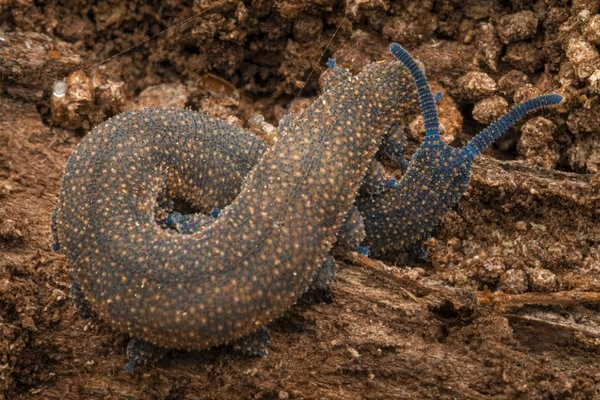
With their soft, velvety body and intriguing characteristics, the peripatus/velvet worm is one of the most fascinating and ancient creatures on earth. They're often referred to as a “living fossil.”
Hātaretare - Hātaretare | Leaf-veined slug
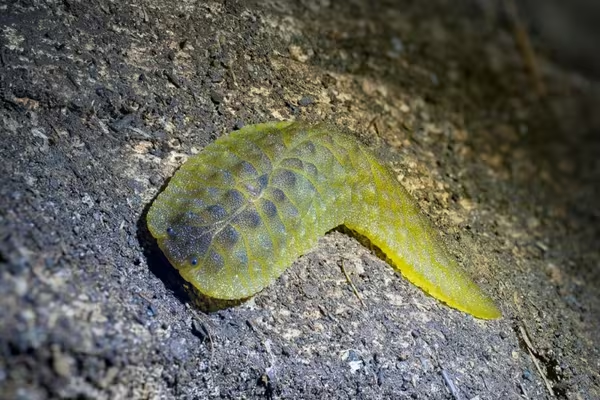
Despite their charm, leaf-veined slugs are understudied. Like many invertebrates, they fall victim to the “charisma gap” in conservation — not fluffy enough for funding, not flashy enough for fame.
Titiwai - Titiwai | Glowworms
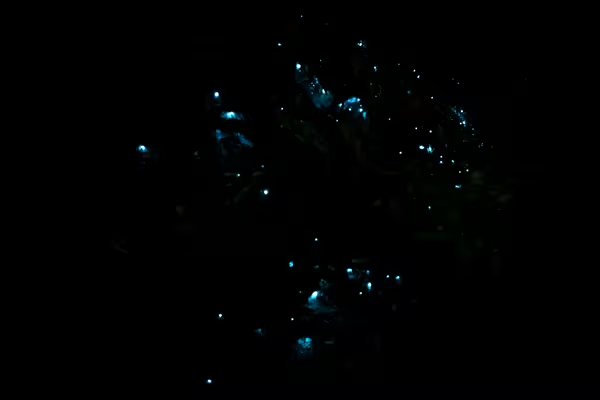
The light-emitting, worm-like larvae of glowworms turn damp banks and caves into night skies on earth. Of course, they’re not worms at all but the larval stage of a species of fungus gnat.
Tokoriro - Tokoriro | Cave wētā
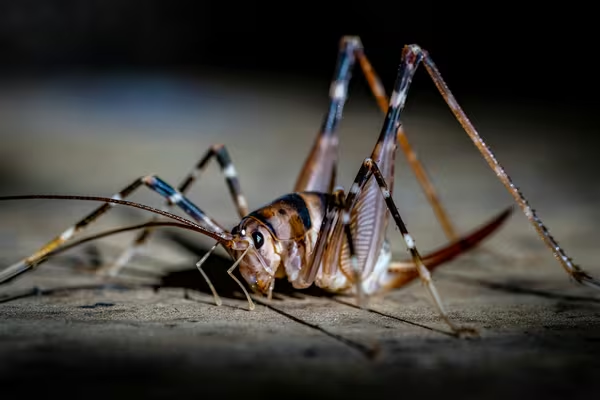
Cave wētā are part of a very ancient group of insects. Going by their long fossil history, these armoured insects have not changed much over the centuries.
Pepetuna - Pepetuna | Pūriri moth
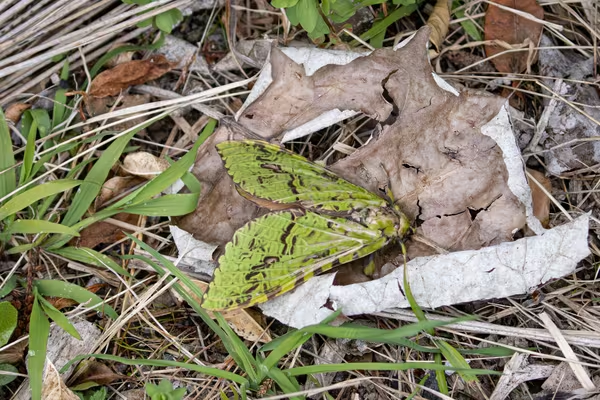
Pepetuna are not only Aotearoa New Zealand’s biggest moth but also our biggest native flying insect!
Pūtangatanga - Pūtangatanga | Tree wētā
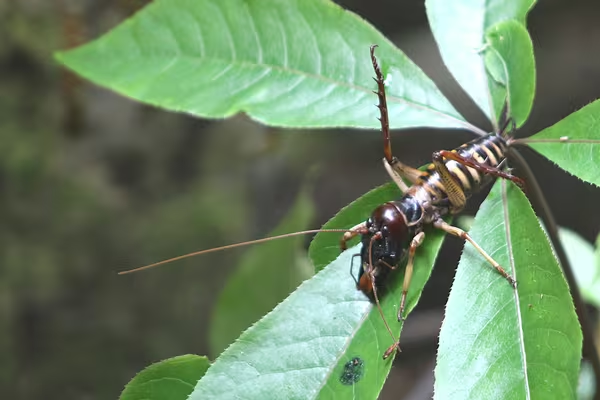
Pūtangatanga are flightless and nocturnal – like all Aotearoa New Zealand’s wētā species. They communicate via ‘stridulation’, which means making noise by rubbing specific body parts together.
Wētā punga - Wētā punga | Cook Strait giant wētā
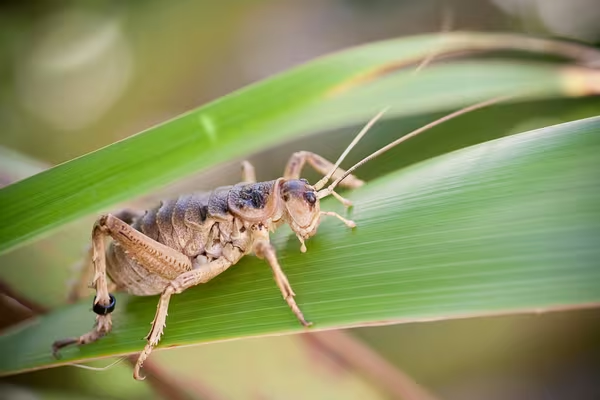
There are 11 endemic species of wētā punga. which are one of the biggest insects in the world. Adult female wētā punga are much larger than the males, weighing up to 35 grams (more than a sparrow)!
Toke - Toke | Flatworm
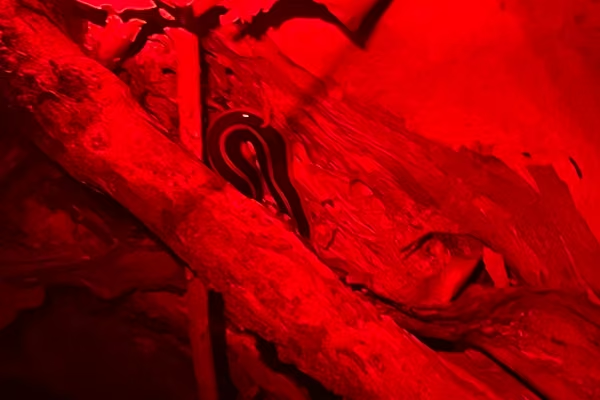
This carnivorous worm can grow up to more than 17cm in length. With having one or multiple mouths half-way down its length, it eats earthworms, small snails and slugs.